
Building and preserving wealth requires more than identifying opportunities for growth. High-net-worth investors must also consider how to protect their assets, manage financial risks and maintain purchasing power across changing economic conditions. While shares, property, bonds and other financial instruments play important roles in wealth management, gold continues to attract investors looking for diversification and long-term value.
From physical gold bars to South African Gold Krugerrands, investment gold offers a tangible asset that can form part of a broader wealth management strategy. Its global recognition, limited supply and historical role in financial markets make it an option worth considering for investors who want to diversify beyond traditional investments.
But why does gold remain popular among wealthy investors, and what should South Africans consider before adding it to their portfolios?
1. Gold Helps Diversify an Investment Portfolio
Portfolio diversification is a fundamental principle of wealth management. Rather than concentrating capital in one asset class, investors spread their holdings across different investments to reduce their dependence on any single market.
High-net-worth individuals may already hold shares, investment properties, bonds, business interests and international assets. However, these investments can be affected by similar economic pressures, particularly during periods of financial uncertainty.
Gold can provide an additional source of diversification because its price does not always move in the same direction as equities or other financial assets. Its performance depends on several factors, including global demand, interest rates, currency movements and investor sentiment.
Adding investment gold to a portfolio may therefore help balance exposure to different market conditions. However, diversification does not eliminate investment risk, and gold prices can also decline.
2. Gold Is Considered a Store of Value
Preserving wealth across generations is an important consideration for high-net-worth investors. While some investments focus on generating income or capital growth, others may be held to diversify wealth and maintain exposure to a tangible asset over the long term.
Gold has historically been valued for its scarcity, durability and acceptance across international markets. Unlike currencies, which can lose purchasing power through inflation, gold's supply cannot be expanded simply through monetary policy.
This does not mean gold always protects against inflation or maintains its purchasing power over every period. Its market price fluctuates, and the outcome for an investor depends on the purchase price, holding period and costs.
Nevertheless, many investors consider physical gold as one component of a long-term wealth preservation strategy, particularly when they want to hold assets beyond conventional financial markets.
3. Gold Can Offer a Measure of Protection During Economic Uncertainty
Economic uncertainty can influence how investors allocate their wealth. Geopolitical tensions, financial market volatility, changing interest rates and concerns about currency stability can all affect investment decisions.
During periods of uncertainty, gold may attract additional demand as investors reassess their exposure to riskier assets. Its international recognition and established role in financial markets can make it appealing when confidence in other investments weakens.
For South African investors, currency movements are also worth considering. Gold is commonly priced internationally in US dollars, so changes in the rand-to-dollar exchange rate can influence the local rand price of gold, alongside movements in the international gold price.
However, gold is not a guaranteed safe haven. Prices may fall during periods of uncertainty, and short-term performance can be unpredictable. Investors should consider it as part of a balanced strategy rather than a substitute for managing risk across their entire portfolio.
4. Physical Gold Gives Investors Direct Ownership of a Tangible Asset
Another reason wealthy investors consider gold is the option to own the physical metal directly.
Unlike shares or bonds, physical gold does not represent a claim on a company's future profits or a borrower's promise to repay a debt. Once purchased and properly transferred, bullion can be held as a tangible asset, subject to the relevant ownership and transaction terms.
Common options for physical gold investment include:
Gold Krugerrands
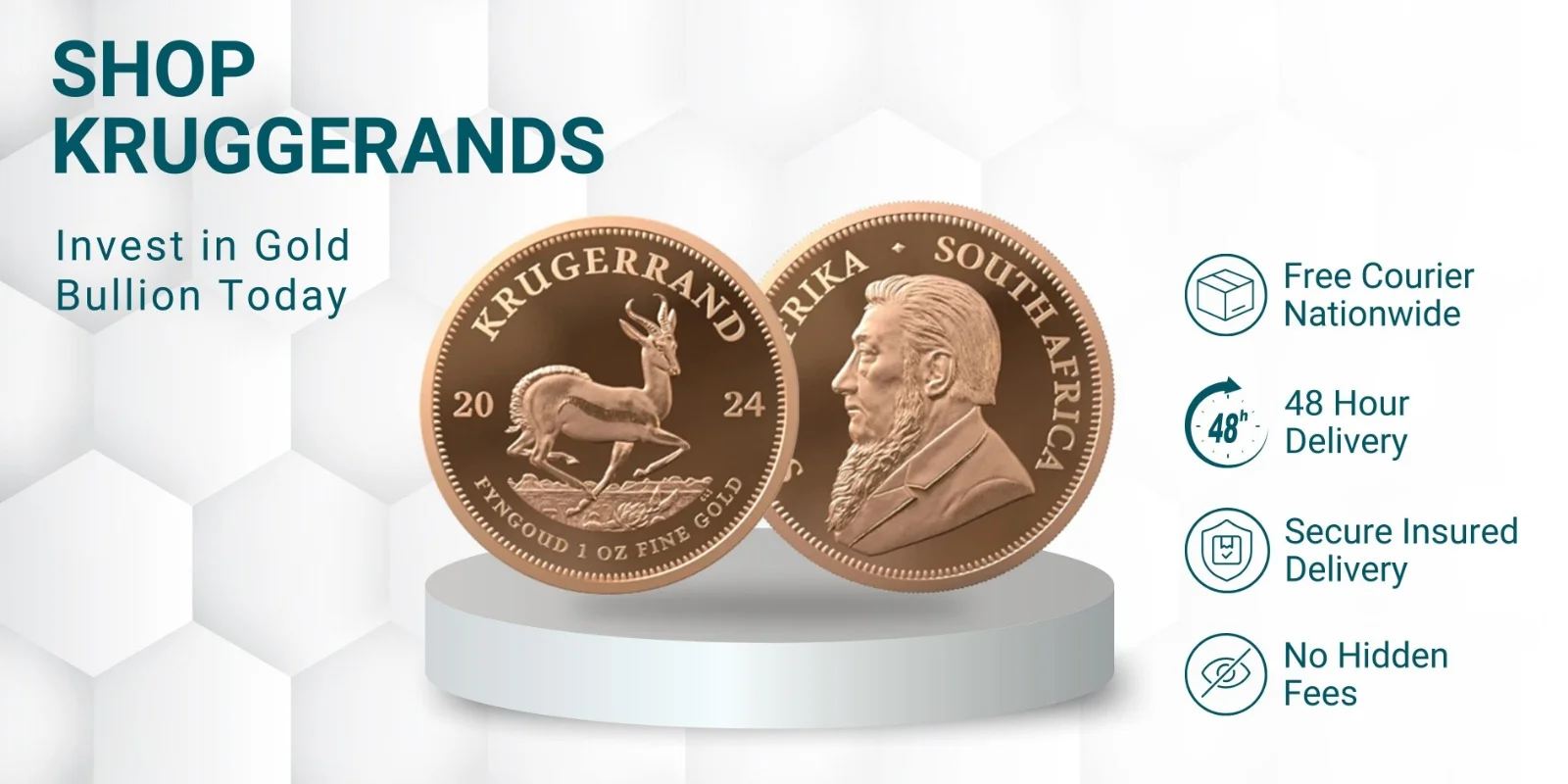
South African Gold Krugerrands are internationally recognised bullion coins. They are available in different sizes, allowing investors to consider different purchase amounts and potential resale requirements.
Gold bars
Gold bars offer another way to hold physical bullion. Depending on their weight and product specifications, they can suit investors seeking to acquire larger quantities of gold.
Physical ownership also introduces practical responsibilities. Investors need to consider secure storage, insurance where available, authenticity verification and the costs associated with buying and selling bullion.
For investors who prefer to own physical metal rather than gain exposure through a financial product, these considerations form an important part of the decision. Explore gold bars.
5. Gold Offers International Recognition and Potential Liquidity
High-net-worth investors often value flexibility when managing their assets. Gold's established international market and widespread recognition can make physical bullion easier to value and trade than some specialised or less liquid assets.
Investment-grade gold coins and bars may be sold through reputable bullion dealers, subject to market conditions, verification requirements and the dealer's buying policies.
However, liquidity is not the same as guaranteed immediate access to cash at the original purchase price. Investors should account for the difference between buying and selling prices, transaction fees and any applicable storage or delivery costs.
Before choosing an investment gold product, consider its recognised specifications, authenticity documentation, market demand and the availability of reputable resale channels.
6. Gold Can Support Intergenerational Wealth Planning
For wealthy families, investment decisions may extend beyond an individual's lifetime. Estate planning, succession arrangements and the transfer of assets to future generations can be important parts of a broader wealth management strategy.
Physical gold may appeal to some families because it is a tangible asset that can be documented, valued and transferred in accordance with applicable legal requirements.
Gold ownership can also introduce practical planning considerations. Families should maintain accurate purchase records, keep ownership documentation accessible to authorised parties and arrange suitable storage. Estate administration, tax obligations and the legal treatment of inherited assets should be considered with qualified professionals.
Gold alone does not guarantee the preservation of family wealth. Its role depends on the wider estate plan, the portfolio's overall composition and the family's financial objectives.
7. Gold Provides an Alternative to Traditional Financial Assets
Many high-net-worth investors hold a combination of traditional and alternative investments. Shares may provide growth potential, bonds may generate income, and property may offer rental income and long-term capital appreciation.
Gold serves a different purpose. Physical bullion does not ordinarily generate interest, dividends or rental income. Instead, the financial benefit to an investor generally depends on changes in its market value and the price received when selling it.
This distinction matters when deciding how to allocate capital.
| Investment type | Potential role in a portfolio |
|---|---|
| Shares | Capital growth and potential dividends |
| Bonds | Interest income and portfolio diversification |
| Property | Potential rental income and capital appreciation |
| Physical gold | Tangible asset ownership and diversification |
| Cash | Liquidity and short-term spending needs |
The most suitable combination depends on each investor's objectives, risk tolerance, time horizon and liquidity requirements. Gold is generally better assessed as a complement to other investments than as a complete replacement for them.
8. South African Investors Have Access to Established Gold Bullion Products
South Africa has a long-standing connection with gold production and bullion investment. For local investors, Gold Krugerrands and gold bars provide established options for gaining direct exposure to physical gold.
When choosing a product, investors should consider its weight, purity, premiums over the underlying gold value, authenticity and potential resale arrangements.
Gold Krugerrands may appeal to investors who prefer recognised bullion coins, while gold bars may suit those who want to acquire specific quantities of metal. The right option depends on the investor's budget, objectives and preferences for buying, holding and eventually selling the asset.
Investors should also understand the tax treatment of their chosen product and verify the applicable transaction costs before purchasing.
IBV Gold offers gold bullion products, including Gold Krugerrands and gold bars, through its South African precious metals business. Investors can explore the available products before deciding which option aligns with their requirements.
Explore the gold products available from IBV Gold.
9. Secure Storage Is an Important Part of Gold Ownership
Owning physical gold involves more than choosing the right product. Investors must also decide how to protect their holdings against theft, loss and unauthorised access.
For substantial holdings, storage arrangements deserve particular attention. Investors may consider an appropriately secured private safe or a professional storage facility, depending on the value of their assets and their access requirements.
When evaluating storage options, consider:
- Security: Assess the physical security measures and access controls in place.
- Insurance: Confirm whether cover is available, what it includes and any exclusions or limits.
- Documentation: Keep purchase invoices, authenticity records and an inventory of holdings.
- Access: Understand the arrangements for retrieving or selling stored bullion.
- Costs: Compare storage fees and any associated handling or administration charges.
These measures can help investors manage the practical responsibilities of physical gold ownership. Storage and insurance costs should be included when assessing the overall cost of holding gold.
What Should High-Net-Worth Investors Consider Before Buying Gold?
Although gold offers several potential portfolio benefits, it is not suitable for every investor or every financial objective. A considered approach involves evaluating both its advantages and limitations.
Before investing, consider the following factors:
- Investment objectives: Decide whether gold is intended to diversify your portfolio, provide tangible asset ownership or support long-term wealth planning.
- Allocation: Determine how much exposure is appropriate within your overall investment portfolio.
- Price volatility: Understand that gold prices can fluctuate and that returns are not guaranteed.
- Liquidity needs: Consider when you may need to sell and whether the expected selling price would meet your requirements.
- Total costs: Account for premiums, buying and selling spreads, delivery, storage and insurance where applicable.
- Authenticity: Purchase through a reputable dealer and verify the product's specifications and provenance.
- Tax and estate considerations: Seek appropriate professional guidance on the treatment and transfer of your holdings.
Gold does not pay regular income, and its price may underperform other assets over certain periods. Investors should therefore evaluate it in the context of their entire financial position rather than relying on historical performance alone.
Conclusion: Why Does Gold Remain Popular Among Wealthy Investors?
Gold continues to attract high-net-worth investors because it combines tangible ownership, international recognition and the potential to diversify a broader investment portfolio. For those focused on long-term wealth management, physical gold can provide an alternative to holding all their assets in shares, property, bonds or cash.
However, its value depends on market conditions, purchase costs, the investor's time horizon and the wider investment strategy. Careful product selection, secure storage and an understanding of the risks are essential when considering investment gold.
For South African investors exploring physical bullion, IBV Gold provides access to Gold Krugerrands and gold bars from established precious metals suppliers. Explore the available range at IBV Gold to learn more about physical gold ownership.
Disclaimer: This article is for general educational purposes only and does not constitute financial, investment, tax or legal advice. Gold prices can rise or fall, and capital is at risk. Consider your individual circumstances and consult a qualified financial adviser before making investment decisions.
Frequently Asked Questions
Why is gold popular among high-net-worth investors?
Gold is popular because it can diversify investment portfolios, provide exposure to a tangible asset and support long-term wealth planning. Some investors also value its international recognition and potential role during periods of economic uncertainty.
Is investment gold a good long-term investment?
Investment gold may be appropriate for investors seeking diversification and long-term exposure to physical bullion. However, it does not generate regular income, its price can fluctuate, and returns are not guaranteed. Its suitability depends on individual objectives and risk tolerance.
What is the best form of gold to invest in?
Gold Krugerrands and gold bars are common options for physical gold investors. The appropriate choice depends on the desired quantity, purchase premium, authenticity, storage requirements and resale arrangements.
Can gold help protect wealth against inflation?
Gold has historically been used as a potential store of value, but it does not consistently outperform inflation over every period. Its effectiveness depends on market conditions, the investment timeframe and the price paid.
How should investors store physical gold?
Investors should choose a secure storage arrangement appropriate to the value of their holdings. Options may include a suitably secured private safe or a professional vault facility. Security, insurance, access arrangements and storage costs should be assessed before making a decision.
Can gold be part of an estate planning strategy?
Yes. Physical gold can form part of a family's wider asset and estate planning arrangements. Accurate ownership records, secure storage and professional advice on inheritance and applicable legal requirements can help facilitate an orderly transfer.
Ready to Start Investing?
Visit one of our 9 locations globally or browse our online collection.