
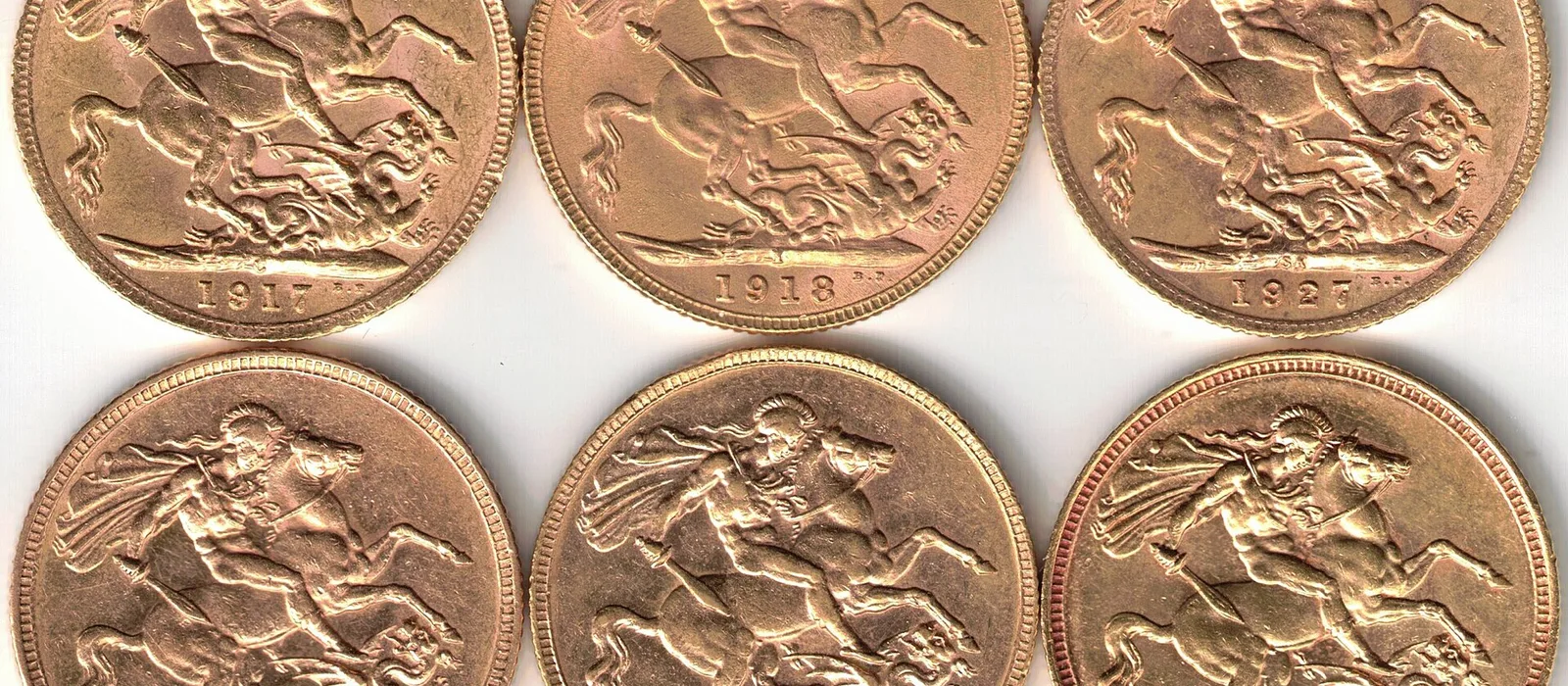
Gold is a valuable precious metal, making it an attractive option for investors looking to diversify their portfolios. However, when purchasing physical gold, one important consideration is authenticity. Knowing how to identify genuine gold bullion can help you avoid counterfeit products and make more informed purchasing decisions.
Whether you are buying gold bars or Krugerrands, it is important to understand how to test gold and recognise the characteristics of authentic bullion.
Counterfeit gold products can sometimes look remarkably similar to genuine ones. Therefore, appearance alone is not enough to confirm authenticity. Factors such as weight, dimensions, purity markings and professional verification all play an important role.
In this guide, we explain how to tell if gold is real, the checks you can perform and what to consider before purchasing gold bullion in South Africa.
1. Check the Gold Purity Markings
One of the first things to check when purchasing gold bullion is its purity marking.
Genuine gold bars usually carry markings that indicate their gold purity, weight and manufacturer or refinery. These details help buyers identify the specifications of the product.
Common gold purity markings include:
| Purity Marking | Gold Content |
|---|---|
| 999 | 99.9% gold |
| 999.9 | 99.99% gold |
| 916.7 | 91.67% gold |
| 750 | 75% gold |
Investment-grade gold bars are commonly available in 999 or 999.9 purity.
However, a purity stamp alone does not prove that a gold bar is genuine. Counterfeit products can also carry fake markings. Always verify the markings against the manufacturer's specifications and supporting documentation.
2. Check the Weight and Dimensions
Weight and dimensions are important when learning how to test gold.
Genuine bullion products are manufactured according to specific weight and size standards. If a gold bar has an incorrect weight or unusual dimensions, it may require further investigation.
You can check the following:
- Weight: Compare the measured weight with the manufacturer's stated weight.
- Dimensions: Check the length, width and thickness against the product specifications.
- Appearance: Look for unusual edges, inconsistent finishes or irregular shapes.
For more accurate verification, use a calibrated weighing scale and suitable measuring equipment.
Remember that minor differences in surface finish do not automatically indicate counterfeit gold. Professional testing may be necessary to establish authenticity.
3. Perform the Magnet Test
The magnet test is a simple preliminary method that can help identify certain counterfeit gold products.
Pure gold is not magnetic. Therefore, a genuine gold bar should not be attracted to an ordinary magnet.
To perform this basic check:
- Place the gold item on a flat surface.
- Bring a strong magnet close to the item.
- Observe whether the gold moves towards or sticks to the magnet.
If the item is strongly attracted to the magnet, it may contain magnetic metals and should be examined further.
However, this test has limitations. Some counterfeit products use non-magnetic metals, so a gold item that does not react to a magnet is not necessarily genuine.
Use the magnet test only as an initial screening method, not as final proof of authenticity.
4. Check the Gold Bar's Serial Number and Certificate
Many investment-grade gold bars come with identifying details, such as a serial number, refinery markings and an assay certificate.
An assay certificate provides information about the gold bar's weight, purity and authenticity as verified through the relevant manufacturer's or refiner's processes.
When checking a gold bar, consider the following:
- Verify whether the serial number matches the accompanying documentation.
- Check the manufacturer's or refinery's name.
- Review the stated weight and purity.
- Examine the packaging for signs of tampering.
- Contact the manufacturer or refinery if verification is available.
Not every genuine gold product comes with a separate certificate. Some manufacturers use an assay card or other identification system.
Therefore, the absence of a separate certificate does not automatically mean that a gold bar is counterfeit.
5. Use the Water Displacement Test
The water displacement test is another method sometimes used to assess the density of gold.
Pure gold has a density of approximately 19.32 grams per cubic centimetre. Comparing the calculated density of an item with this figure can provide an indication of its composition.
The basic process involves:
- Measuring the gold item's weight in grams.
- Measuring the volume of water displaced when the item is fully submerged.
- Dividing the weight by the displaced water volume to calculate density.
For example, if a gold item weighs 193.2 grams and displaces 10 cubic centimetres of water, its calculated density is 19.32 g/cm³.
However, this method has limitations. Gold alloys, hollow products and items with mixed-metal cores may produce different results. Surface tension and measurement errors can also affect accuracy.
For valuable bullion, professional verification is preferable to relying on a home density test.
6. Consider Professional Gold Testing
If you want to establish whether a gold bar or coin is genuine, professional testing is one of the most reliable approaches.
Precious metal dealers, refineries and specialised testing facilities may use different methods to assess gold authenticity and purity.
Common professional testing methods include:
X-Ray Fluorescence (XRF) Testing
XRF analysers examine the elemental composition of a metal using X-rays. This method can help identify the metals present and estimate their proportions.
It is generally non-destructive, although it primarily analyses the surface and may not detect a different metal core beneath a gold coating.
Electronic Gold Testing
Electronic testing devices assess certain electrical properties of metals to help identify gold and distinguish it from other materials. Results depend on the equipment and testing conditions.
Ultrasound Testing
Ultrasonic testing can help examine the internal structure of a gold bar and identify inconsistencies that may indicate a different metal core.
Fire Assay
Fire assay is a laboratory method used to determine gold content with a high degree of accuracy. However, it is destructive because the sample must be processed.
The appropriate testing method depends on the gold product, its value and the level of verification required.
7. Examine the Colour and Surface Finish
The colour and surface finish of a gold product can provide some initial clues about its quality.
Genuine gold bullion generally has a consistent appearance that reflects its composition and manufacturing process.
When examining a gold bar or coin, look for:
- Uneven colour or suspicious discolouration.
- Peeling or flaking surfaces.
- Visible signs of gold plating.
- Poorly defined manufacturer markings.
- Unusual scratches or manufacturing irregularities.
However, colour alone cannot establish authenticity. Genuine gold products can have different finishes, and some counterfeit items are designed to imitate the appearance of real gold.
For this reason, visual inspection should always be combined with other verification methods.
8. Check the Reputation of the Gold Dealer
One of the most effective ways to reduce the risk of purchasing counterfeit bullion is to buy from an established and reputable precious metals dealer.
Before making a purchase, consider the following:
- Check the dealer's business history and reputation.
- Verify whether the dealer is an authorised distributor or recognised supplier.
- Ask for product specifications and supporting documentation.
- Confirm the gold's stated weight and purity.
- Understand the dealer's return and buyback policies.
- Request transparent pricing and purchase documentation.
In South Africa, buyers can also look for established dealers associated with recognised industry participants and refineries.
For example, I BV Gold is an authorised South African Mint and Rand Refinery dealer, offering customers access to physical precious metal products.
Buying through a reputable dealer can provide greater confidence in the source and authenticity of your gold.
9. Common Mistakes to Avoid When Buying Gold Bullion
Even when buyers understand how to test gold, certain mistakes can increase the risk of purchasing counterfeit or incorrectly represented products.
Keep these points in mind:
- Do not rely only on the colour or appearance of gold.
- Do not assume that a purity stamp guarantees authenticity.
- Avoid purchasing bullion without checking its weight and specifications.
- Be cautious of prices that appear significantly lower than prevailing market rates.
- Do not rely entirely on home testing methods.
- Avoid purchasing from sellers who cannot provide reasonable product information or proof of origin.
Taking time to verify a product before purchasing can help reduce the risk of financial loss.
Final Thoughts
Knowing how to test gold and recognise genuine bullion is an important part of making informed purchasing decisions. Checking purity markings, weight, dimensions, serial numbers and product documentation can help identify potential warning signs.
However, simple home tests should only be treated as preliminary checks. Professional verification and purchasing from reputable dealers offer greater confidence when investing in physical gold.
At IBV Gold, customers can explore a range of physical precious metal products, including gold bars and Krugerrands. As an authorised South African Mint and Rand Refinery dealer, IBV Gold provides access to recognised bullion products.
Explore the gold bullion collection to discover available investment options. You can also read the gold authenticity FAQs for further information about verifying genuine gold products.
Frequently Asked Questions
How can you tell if gold is real at home?
You can perform preliminary checks using a magnet, inspect purity markings and compare the item's weight and dimensions with manufacturer specifications. However, these methods cannot conclusively establish authenticity. Professional testing is recommended for valuable gold products.
What is the most reliable way to test gold bullion?
Professional testing methods such as X-ray Fluorescence (XRF), ultrasonic testing and fire assay can help verify gold composition and purity. The appropriate method depends on the product and whether non-destructive testing is required.
Does real gold stick to a magnet?
No. Pure gold is not magnetic, so genuine gold should not be attracted to an ordinary magnet. However, some counterfeit products use non-magnetic metals, meaning the magnet test alone cannot confirm authenticity.
Ready to Start Investing?
Visit one of our 10 locations globally or browse our online collection.