
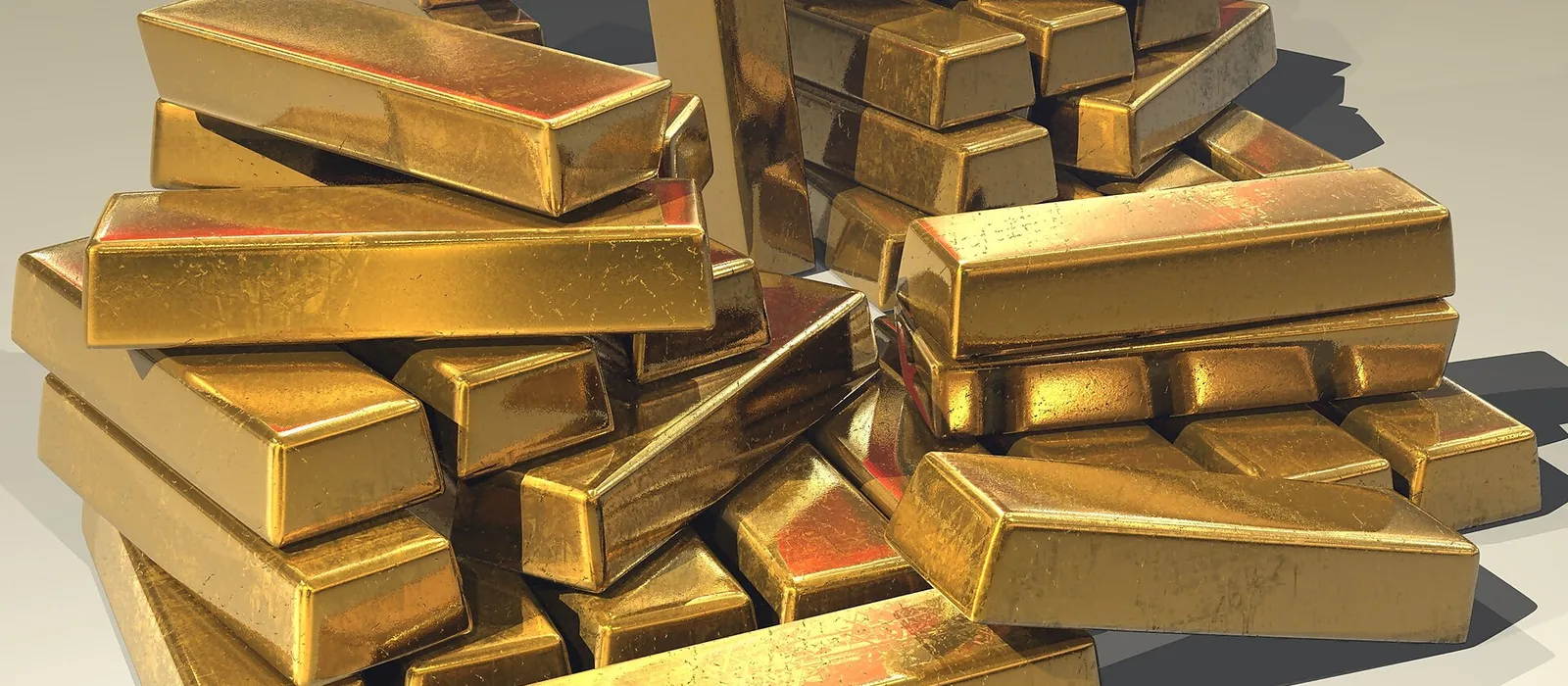
Gold has long been valued as a precious metal and an asset that investors may hold to diversify their portfolios and preserve wealth. However, owning gold is only one part of the investment journey. Knowing when to sell it is equally important.
Whether you own gold bars, Krugerrands or other gold bullion products, the timing of your sale can influence the amount you receive. Changes in international gold prices, the South African rand exchange rate and market demand can all affect the value of your holdings.
So, when is the best time to sell gold in South Africa? While there is no guaranteed way to predict market movements, understanding the factors that influence gold prices can help you make a more informed decision.
In this guide, we explore what to consider before selling gold, how market conditions affect its value and how to approach the selling process in South Africa.
1. Monitor the International Gold Price
One of the most important factors to consider before selling gold is the international gold market price.
Gold is traded globally, with its price generally quoted in US dollars per troy ounce. Changes in international market conditions can influence how much buyers are willing to pay for physical gold.
Gold prices may increase during periods of:
- Economic uncertainty and financial market volatility.
- Rising inflation expectations.
- Geopolitical tensions and international instability.
- Increased demand from central banks and investors.
- Changes in global interest rate expectations.
When international gold prices rise, the potential value of your gold holdings may also increase.
For this reason, monitoring market movements can help you understand whether current conditions are favourable for selling.
However, a higher international gold price does not automatically guarantee a higher selling offer. The final amount also depends on the product's purity, weight, condition and the dealer's buyback rate.
2. Understand How the Rand Exchange Rate Affects Gold Prices
The South African rand plays an important role in determining local gold prices.
Since gold is internationally priced in US dollars, movements in the USD to ZAR exchange rate can influence its value in South Africa.
For example:
- A weaker rand: If the rand loses value against the US dollar, the local gold price may increase, even when the international gold price remains relatively stable.
- A stronger rand: If the rand strengthens against the US dollar, the local gold price may decrease, assuming other factors remain unchanged.
This means that the best time to sell gold in South Africa may depend on both international gold market movements and the performance of the rand.
Before accepting an offer, consider checking the international gold price alongside the current exchange rate.
3. Consider Selling When Gold Prices Are High
Many gold owners consider selling when market prices reach higher levels compared with their original purchase prices.
However, identifying the highest possible selling point is difficult because gold prices can change throughout the day.
Instead of trying to predict the exact market peak, consider the following:
- Compare the current gold price with recent market movements.
- Monitor international gold market trends.
- Review changes in the rand exchange rate.
- Check whether dealer buyback rates have improved.
- Consider your original purchase price and financial objectives.
It is also important to remember that gold prices can move in either direction. Waiting for a higher price does not guarantee a better return.
A practical approach is to understand the current value of your gold and assess whether the available selling offer meets your expectations.
4. Evaluate Your Personal Financial Requirements
Market conditions are important, but your personal financial circumstances should also influence your decision.
There may be situations where selling gold makes sense regardless of whether market prices are at their highest levels.
For example:
- You need access to funds for an important expense.
- You want to rebalance your investment portfolio.
- You have achieved your intended investment return.
- You want to reduce your exposure to physical precious metals.
- You no longer wish to pay for secure gold storage.
Selling gold should be considered as part of your wider financial planning rather than being based entirely on short-term market movements.
If you are unsure whether to sell, hold or diversify your holdings, consider seeking independent financial advice.
5. Understand the Difference Between the Gold Spot Price and the Selling Price
One common mistake gold owners make is assuming that the international spot price is the exact amount they will receive when selling physical gold.
The spot price represents the market price of gold for immediate delivery. However, dealers use their own buyback rates when purchasing physical gold from customers.
The final offer may depend on:
- Gold weight and purity.
- Type of bullion product.
- Product authenticity.
- Condition and marketability.
- Current international gold prices.
- Dealer pricing and buyback margins.
For example, a gold bar and a gold coin containing similar amounts of pure gold may receive different offers depending on their product specifications and the dealer's pricing policy.
Before deciding to sell, ask how the offer has been calculated and whether any additional charges apply.
6. Check Gold Demand and Market Conditions
Gold demand can also influence the prices buyers are willing to offer.
Demand may increase during periods when investors seek assets they perceive as stores of value. Central bank purchases, investment demand and global economic uncertainty can all influence the gold market.
However, demand for individual gold products can differ.
For instance:
- Popular bullion coins may have established resale markets.
- Recognised gold bars may attract interest from bullion dealers.
- Collectable gold coins may have additional value depending on their rarity, condition and demand.
Understanding the type of gold you own can help you assess the available selling options.
7. Choose the Right Time to Compare Dealer Offers
Even when market conditions are favourable, the amount you receive can vary between gold buyers.
Different dealers may have different buyback rates, assessment procedures and pricing policies. Therefore, comparing offers is an important part of the selling process.
Before choosing a buyer, consider:
- Whether the dealer provides transparent pricing.
- Whether gold is tested using suitable equipment.
- Whether the weight and purity are clearly explained.
- Whether the offer is linked to the live gold price.
- How quickly payment is processed.
- Whether there are any assessment or transaction charges.
Avoid accepting an offer simply because it appears attractive. Make sure you understand the valuation and payment terms before completing the transaction.
8. Know How to Sell Gold in South Africa
If you have decided to sell, understanding the process can make the experience more straightforward.
Here are the main steps to follow when you want to sell gold in South Africa.
Step 1: Identify the Gold You Want to Sell
Determine whether you own gold bars, Krugerrands, other bullion coins or gold jewellery. The type of product can influence its valuation and resale process.
Step 2: Check the Weight and Purity
Gather any available certificates, purchase invoices or product documentation. These details can help the dealer assess your gold.
Step 3: Request a Valuation
Contact a reputable precious metals dealer to obtain a valuation based on the current market price, weight and purity of your gold.
Step 4: Understand the Buyback Offer
Ask how the selling price has been calculated and whether the offer includes any deductions or additional charges.
Step 5: Complete Authentication and Verification
The dealer may inspect and test your gold to confirm its authenticity and specifications before finalising the transaction.
Step 6: Review the Payment Process
Once you accept the offer and the required verification is completed, the dealer will arrange payment according to its agreed procedures.
Following these steps can help you approach the sale with greater confidence.
9. Why Choose a Reputable Gold Buyer?
Choosing the right buyer is just as important as deciding when to sell.
A reputable precious metals dealer should provide transparent valuations, appropriate testing procedures and clear payment terms.
Look for a dealer that:
- Has an established business presence.
- Offers transparent and market-linked pricing.
- Uses suitable equipment to assess gold purity.
- Explains the valuation process.
- Provides clear transaction documentation.
- Has a defined payment process.
In South Africa, IBV Gold offers customers a way to sell eligible physical precious metals through its established studios.
The selling process includes contacting the team, receiving a valuation and completing authenticity checks before accepting an offer. IBV Gold also provides a free, no-obligation valuation for customers.
10. How Does IBV Gold Help Customers Sell Gold?
Selling physical gold can be a straightforward process when you work with an established precious metals dealer.
IBV Gold provides gold valuation and buyback services for customers across South Africa. The company purchases eligible precious metals, including:
- Gold Krugerrands and other gold coins.
- Gold bullion bars.
- Silver coins and bars.
- Platinum coins and bars.
- Gold jewellery and scrap gold.
Customers can follow a simple selling process:
- Get in touch: Contact IBV Gold with details of the gold products you want to sell.
- Receive a valuation: The team assesses your gold using its weight, purity and prevailing market rates.
- Complete verification: Your gold is tested to confirm its authenticity and specifications.
- Accept the offer: Review the valuation and decide whether to proceed.
- Receive payment: Once the transaction is completed, payment is arranged according to the agreed terms.
IBV Gold offers free, no-obligation valuations at its South African studios, with same-day payment advertised for accepted transactions.
Final Thoughts
Knowing when to sell gold involves more than monitoring the latest market price. International gold prices, the rand exchange rate, dealer buyback rates and your personal financial requirements all play a role in making an informed decision.
Rather than trying to predict the exact market peak, monitor price movements, compare dealer offers and understand the actual value of your gold before selling.
If you are considering selling your gold, IBV Gold offers free, no-obligation valuations and buyback services for eligible gold, silver and platinum products across South Africa.
Speak with the team to understand your valuation and available selling options before making a decision.
Frequently Asked Questions
When is the best time to sell gold in South Africa?
The best time to sell gold depends on international gold prices, the rand exchange rate, dealer buyback rates and your financial requirements. Monitoring these factors can help you assess whether the current selling offer meets your expectations.
How is the selling price of gold calculated in South Africa?
The selling price is generally determined by the gold's weight, purity and prevailing market price. Dealers may also consider product condition, marketability and their buyback margins when calculating the final offer.
Where can I sell gold in South Africa?
You can sell gold through established precious metals dealers that offer gold valuations and buyback services. Look for transparent pricing, appropriate authenticity testing, clear payment terms and a reputable business history.
Ready to Start Investing?
Visit one of our 10 locations globally or browse our online collection.